
Top Life Support Training In The UK
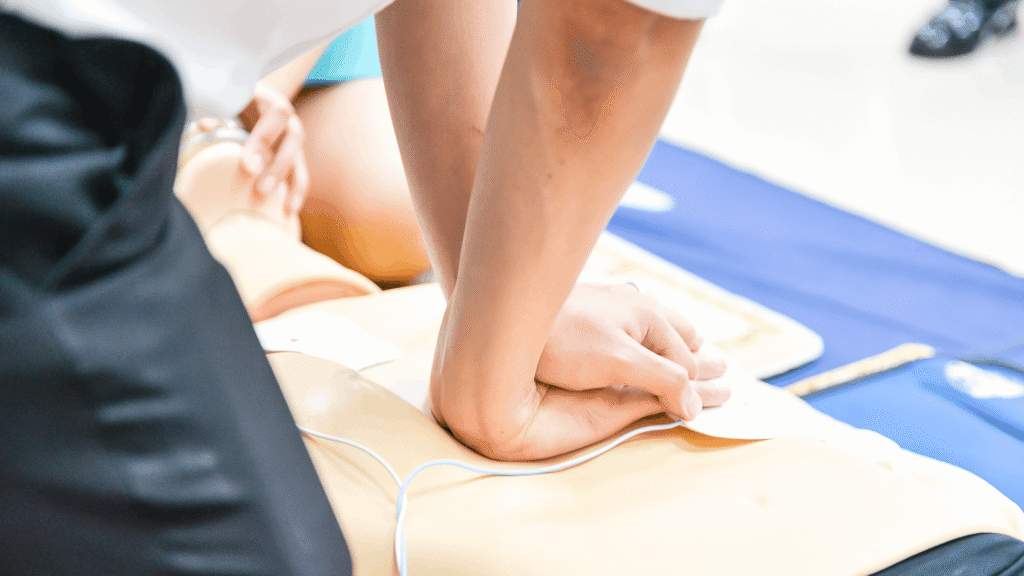
Life Support is the part of your practice that cannot fail.
When a patient arrests in front of you, no one cares about your last appraisal, your portfolio, or how busy the shift has been. They care that you recognise what is happening in seconds, call for help in the right way, and start a structured, effective response. That is exactly what high quality life support training gives you.
For doctors, nurses, and allied practitioners across the UK, life support skills are not a nice extra. They sit at the core of safe practice. Whether you work in acute medicine, primary care, theatres, paediatrics, community or pre hospital settings, you carry a responsibility that starts the moment a patient deteriorates and does not end until they are either stable or you have a clear ceiling of care.
Life support training gives you three things
- A clear mental algorithm, so your brain does not freeze when everything goes noisy and chaotic.
- Well rehearsed practical skills, so airway manoeuvres, good quality compressions, defibrillation and time critical drugs feel familiar rather than theoretical.
- Team coordination, so you can lead or slot into a resuscitation team without friction or confusion.
Guidelines, equipment and team structures change. If it has been a while since you last trained and you have not refreshed since, you already know that your confidence drops a little each time you face a sick patient. That is not because you are inexperienced, it is because life support is a perishable skill. You have to revisit it, practise it, and stress test it against realistic scenarios.
In 2026, with national standards, scrutiny from employers, and patients who rightly expect competent emergency care, informal learning is not enough. You need structured courses that reflect current Resuscitation Council UK guidance, expert faculty who still work on the shop floor, and assessments that mean something.
At Pacemaker Academy, our life support training is built for exactly that reality. We focus on what you need on the ward, in clinic, on the roadside, or in theatre when things go badly wrong and you are the one everyone turns to.
If you want life support skills you can trust under pressure, you need training that treats your time and your patients as seriously as you do.
Who Needs Life Support Training and Why
If you work with patients, you need life support training that goes beyond ticking a competency box.
Doctors
For doctors, life support training underpins almost every clinical decision in acute care. You are often the person everyone looks at when a patient deteriorates. You need to:
- Recognise early signs of arrest and peri arrest, not just manage the collapse once it happens.
- Lead a resuscitation team, allocate roles, and keep the room calm and structured.
- Make time critical decisions about reversible causes and escalation of care.
- Work confidently with defibrillators, advanced airways, and emergency drugs under pressure.
Without recent, robust training, those skills soften at the edges. You still “know” the theory, but the sequence, communication, and hands on work feel slower and less certain than you want.
Nurses
Nurses are usually at the bedside when deterioration starts. Your role is different, but just as vital. You need to:
- Spot subtle changes in observations and behaviour, then act early.
- Start high quality basic or immediate life support while help is on its way.
- Run the room, manage equipment, and keep documentation accurate during chaos.
- Challenge and support colleagues when something is missed or forgotten.
Strong life support training gives you a clear voice and a clear plan, so you are not just “helping out”, you are actively protecting the patient.
Other Health Practitioners
Whether you are in primary care, community, mental health, theatres, outpatient clinics, or pre hospital care, you still carry responsibility for those first critical minutes. You might have less equipment and fewer hands, which means your personal skill set has to do more of the heavy lifting.
Why It Matters For You And Your Patients
When life support training is done properly, it changes three things straight away.
- Patient outcomes, because early recognition, good compressions, and structured leadership directly influence what happens next.
- Your confidence, because you have already rehearsed the worst scenarios in a safe environment, not for the first time on a real patient.
- Team performance, because everyone shares the same language, algorithms, and expectations.
If you want training that reflects real UK practice and current standards, look at our accredited life support courses on the course overview page. Choose the level that matches your role, then build from there.
Comprehensive Course Offerings
You don’t need a generic resuscitation course. You need life support training that matches the patients you actually treat and the calls you actually respond to.
Core Life Support Pathway
Basic and Immediate Life Support give you the foundations that every clinician needs. On these courses you will:
- Drill recognition of collapse and peri arrest, with clear first actions.
- Practise airway manoeuvres, safe use of adjuncts, and high quality compressions.
- Use defibrillators in a structured, repeatable way so you are not guessing at settings or sequence.
- Work through standard algorithms until they feel automatic.
Content is tiered for different roles. A junior nurse on a ward does not need the same depth as a senior registrar leading a trauma call, and the course design reflects that. If you prefer blended learning, the eILS format lets you cover theory online, then spend contact time on pure practical work.
Advanced Life Support
Advanced Life Support is built for clinicians with higher clinical responsibility. Here the focus shifts from individual skills to leadership and complex decision making. You will:
- Run full arrest and peri arrest simulations from the emergency call to post resuscitation care.
- Prioritise reversible causes using current national algorithms.
- Coordinate a team, allocate roles, and communicate clearly under pressure.
- Integrate advanced airway strategies and time critical drugs into a smooth sequence.
Assessment is practical. Faculty watch how you think, communicate, and act, not just whether you can recite a guideline.
Paediatric Life Support
Adult skills do not automatically translate to children. Our paediatric courses, including EPALS training and other paediatric immediate life support formats, focus on:
- Recognition of the unwell child and infant before arrest.
- Age specific airway management and drug calculation frameworks.
- Family presence and communication in high stress situations.
- Team drills that mirror real paediatric emergencies in UK practice.
How We Teach Across All Courses
Every course at Pacemaker Academy is built around three things, practical skills, current protocols, and realistic simulation. We keep theory concise, then put you straight onto manikins, scenario stations, and structured debriefs. By the end of your course, you should not just “know” life support, you should feel ready to use it on your next shift.
Expert Instructors With Decades of Real Clinical Experience
Experienced instructors are the difference between a course that feels theoretical and one that permanently changes how you handle an arrest call. At Pacemaker Academy, your life support training is delivered by senior medical consultants and experienced clinicians who still work in real emergency and critical care settings.
They are not just trainers, they are the people who write escalation plans, lead cardiac arrest calls, manage complex peri arrest patients, and teach multidisciplinary teams on the shop floor. That clinical weight shapes every part of your course.
What Our Faculty Bring To Your Training
- Senior medical leadership, with consultants who have directed resuscitation teams across different specialties and understand how life support works in real UK hospitals and pre hospital environments.
- Cross discipline experience, including acute medicine, anaesthesia, intensive care, paediatrics, and emergency medicine, so scenarios reflect the mix of patients you actually see.
- Formal educator training, so they know how to teach adults, structure feedback, and build your confidence without wasting your time.
If you want a sense of who will be teaching you, you can meet the faculty on our our team page.
How Their Experience Changes Your Course
Experienced consultants do not teach life support as a checklist. They teach it as a live, dynamic process that has to work in a crowded bay at three in the morning. That shows up in three ways.
- Realistic scenarios. Every scenario has a clear clinical story, evolving observations, and the kind of distractions and human factors you already recognise from practice.
- Targeted feedback. Faculty watch how you lead, how you speak to colleagues, and where your attention goes when things get messy. Feedback is specific to your role and seniority, not generic praise.
- Practical decision making. You are pushed to justify your choices, prioritise reversible causes, and balance guidelines with clinical judgement.
Up To Date, Evidence Based Teaching
Because our instructors remain active in clinical work and formal resuscitation education, they teach using current Resuscitation Council UK guidance and contemporary practice. They update course content as protocols shift, refine scenarios after each cohort, and bring you the same approaches they use with their own teams.
The result is simple. When your bleep goes off for an arrest call, you will recognise the pattern, hear the structure in your head, and act with the same clarity you practised in the training room.
State of the Art Training Facilities and Methods
Life support skills stick when your training feels as close to real practice as possible. That is why we invest heavily in how and where you learn, not just what appears on the course timetable.
Modern Equipment That Mirrors Your Workplace
You train on equipment that looks and behaves like what you use on shift. That includes:
- High fidelity manikins that respond to airway manoeuvres, compressions, and defibrillation in real time.
- Defibrillators and monitors set up with realistic rhythms and alarms, so you build true muscle memory for layout and sequence.
- Airway stations with a range of adjuncts and advanced options, so you can refine technique instead of just ticking off a skill sheet.
The goal is simple, you walk into a real arrest call and your hands already recognise what to do.
Realistic Simulation That Tests How You Think
We use structured simulation to rehearse exactly what you face in UK clinical settings. You will see:
- Arrest and peri arrest scenarios that evolve as you intervene.
- Pre programmed changes in observations that force you to reassess and reprioritise.
- Bleeps, background noise, and team dynamics that feel like a real resus, not a classroom drill.
Each scenario ends with a focused debrief. Faculty walk you through what you saw, what you did, and what you would do differently on your next shift. That is where a lot of the learning happens.
Interactive Teaching, Small Groups, Real Feedback
We keep groups deliberately small. That means more hands on time, more scenarios per person, and feedback that is specific to your grade and specialty.
- You rotate through roles, team leader, airway, compressions, drugs, scribe, so you understand the whole system.
- You get direct coaching on your communication, positioning, and decision making.
- You can ask the awkward questions that never fit into large lecture formats.
Teaching is interactive from the first minute. Short, focused theory blocks, then straight onto the manikins, into team drills, or onto a scenario station. If you prefer blended formats, our online course options let you clear theory in advance so contact time is almost entirely practical.
The outcome is confidence you can feel. By the end of the day you will not just remember algorithms, you will have run them, refined them, and heard clear feedback on how you work in a real team.
Benefits of Choosing Our Life Support Training
When you book life support training, you want three things, recognised certification, clear career value, and skills that hold up at three in the morning when everything is going wrong. Pacemaker Academy is set up to deliver all three.
Accredited Certification Recognised Across The UK
Our courses follow Resuscitation Council UK standards, so your certificates carry weight with clinical leads, training directors, and recruitment panels. That matters when you:
- Renew mandatory life support requirements for your role or rota.
- Apply for new posts or rotations that expect recent accredited training.
- Prepare for appraisal or revalidation and need clear evidence of competence.
Your certificate does not just sit in a folder. It backs you up when someone asks, “Are you current and competent in life support?”
Real Career Advantages
Good life support training is career capital. It signals that you take acute care seriously and that you can function when patients are sickest. Candidates with recent, reputable courses often sit in a stronger position for:
- Acute, critical care, and emergency posts where life support is part of daily practice.
- Leadership roles such as arrest team member, resus lead, or educator.
- Specialty applications that look closely at acute care experience and training.
If you want to see how our course structure aligns with your progression, you can review the pathway on the Pacemaker Academy course overview and match it to your next career step.
Stronger Emergency Response On Your Next Shift
Every minute in our training room is designed to show up in your practice. You come out of the course with:
- A rehearsed response for arrest, peri arrest, and rapid deterioration.
- Clear leadership and followership habits that cut through noise and confusion.
- Clean, efficient manual skills for airway management, compressions, and defibrillation.
You will feel the difference on your next on call when a colleague says, “Can you take the lead?” and your answer is a genuine yes.
Reassurance For Patients And Employers
Patients do not ask to see your certificate, but they feel the impact of well trained staff. Employers do look at who they trust to carry the bleep, supervise juniors, and run deteriorating patient pathways. When your life support training is recent, rigorous, and recognised, you give both groups the same message.
You are trained, current, and ready to act when it matters most. If you want that confidence in writing and in practice, explore our next course dates on the course booking page and choose the level that matches your role.
Booking And Enquiry Process
You have seen what the training involves. Now you just need a clear way to get your place sorted without a long email chain or admin hassle.
Step 1: Choose The Right Course
Start by matching the course to your role and responsibility level.
- If you regularly respond to arrest calls or deteriorating patients, look at our Immediate Life Support course options.
- If you work with children, review the dedicated Paediatric Immediate Life Support course dates.
Ask yourself three quick questions, what grade are you, what clinical area do you work in most, and are you renewing or training at that level for the first time. That usually points you straight to the correct course.
Step 2: Check Dates And Availability
On each course page you will see available dates and remaining places. Pick a date that fits your rota or study leave. If your first choice is full, look at nearby dates before you give up on the idea. Life support is not something you keep postponing for “a quieter month”.
Step 3: Book Online In Minutes
Once you have chosen your course and date, booking is straightforward.
- Select the specific course date.
- Add it to your cart.
- Complete the checkout with your details and payment or invoice information.
You will receive confirmation and joining instructions so you know exactly where to be, what to bring, and how the day will run.
Step 4: Speak To A Consultant Trainer If You Are Unsure
If you are booking for a department, juggling study leave, or simply not sure which level suits your role, reach out before you decide. Use the form, email, or phone number on the contact page and one of our senior faculty will guide you to the right option.
You already know how important competent life support is. The only real decision now is whether you want to face your next arrest call with “I hope this goes well” or “I have drilled this, let us get started”.
Book your course while you are thinking about it. Get the date in your diary, then turn up ready to train at the same level you expect from yourself on the ward or in theatre.